March 3, 2026
Today’s Longevity Landscape
Aging looks different today.
We’re living longer than ever before. But the conversation has shifted. The measure of longevity is not only about adding years to life, but also protecting independence, energy, and purpose throughout those years.
Research from the world’s Blue Zones, regions where people consistently live the longest, offers insight into what makes longevity sustainable. In these communities, healthy living isn’t something people try to fit in. Balanced nutrition, movement, connection, and purpose are woven into everyday life.
The takeaway is simple: people live better when their environment supports healthy routines.
Nutrition Supports Daily Life
Across Blue Zones, diets share common patterns. Meals lean heavily toward plant-based ingredients. Beans and legumes appear frequently. Portions are moderate. Processed foods are limited. Meals follow predictable rhythms and are often shared.
The name of the game is consistency.
That same philosophy guides dining across ECS Life Plan communities like MonteCedro, The Canterbury, and The Covington. Dining is designed to make balanced nutrition practical and enjoyable.
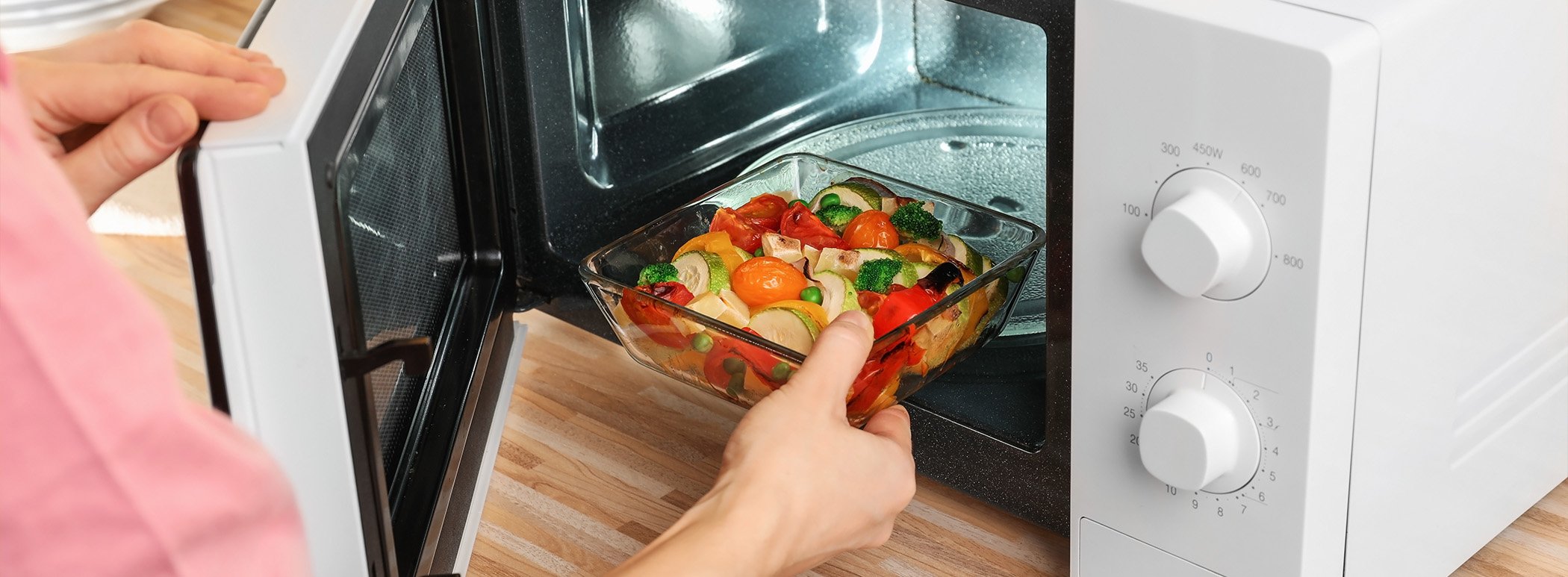
Residents gather in restaurant-style venues for chef-prepared meals built around fresh, seasonal ingredients. Menus highlight vibrant produce, whole grains, legumes, lean proteins, and scratch-made soups and salads. Seasonal fruits and vegetables rotate throughout the year, reflecting a thoughtful approach to sustainability and farm-to-table sourcing whenever possible.
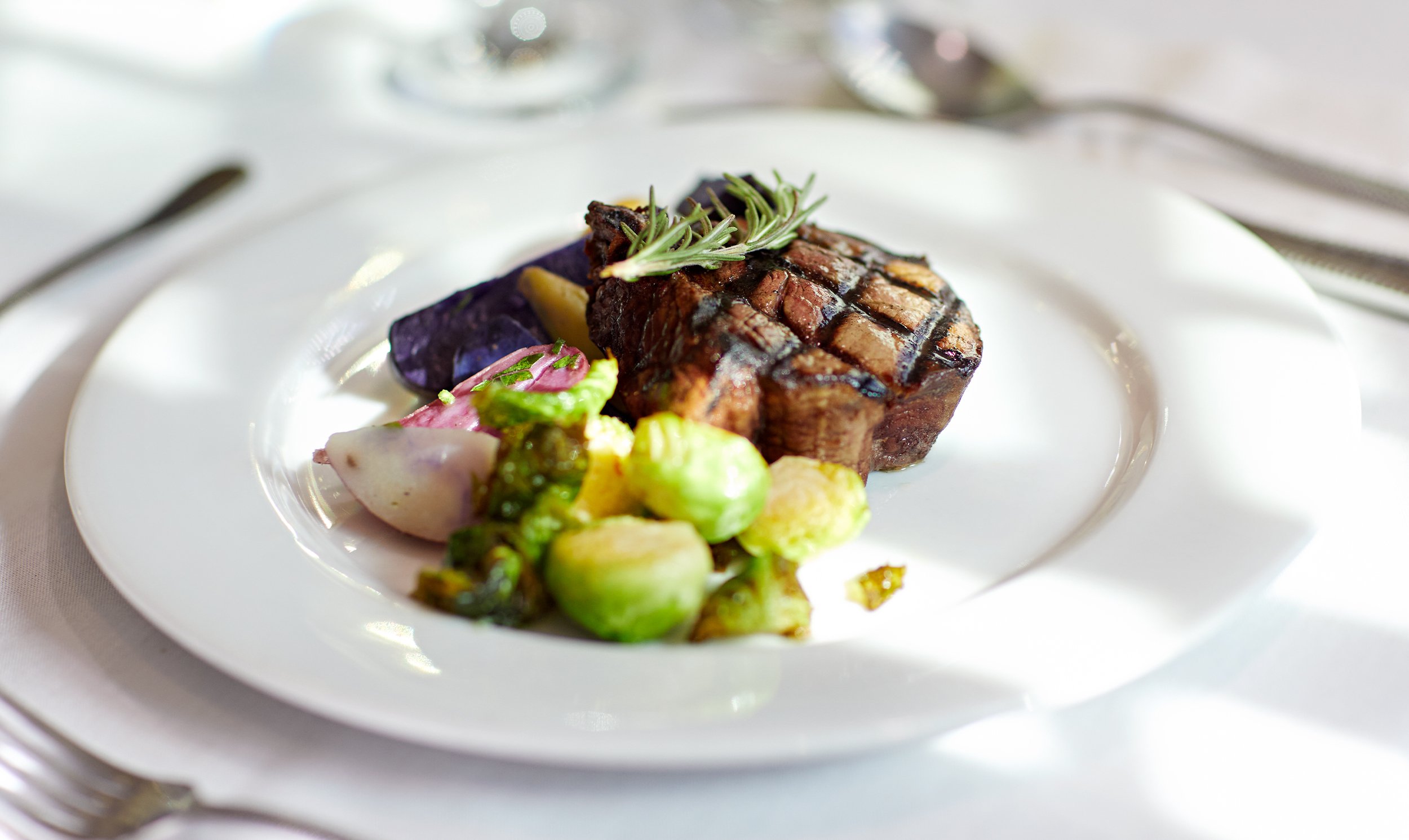
Flexible meal times provide structure without feeling restrictive. Residents can enjoy a lively lunch with friends, a quieter dinner, or a themed event that brings the community together.
Just as important, dining is social. Conversations unfold around shared tables. Celebrations, wine tastings, and seasonal events create moments people look forward to.
When meals are both nourishing and shared, healthy eating becomes part of everyday life.
Movement Preserves Independence
Blue Zone research also emphasizes daily movement. People in these regions stay physically engaged by walking, gardening, carrying, bending, and remaining active throughout the day.
Translation: they get exercise simply by going through their daily routines.
Cesar Barragan, Regional Fitness Director at MonteCedro, frames the conversation around health span rather than simply lifespan.
“For us, it’s about being intentional,” he explains. “More years, absolutely. But more quality in those years.”
In practical terms, that means preserving the ability to stand confidently, walk without fear of falling, and move through daily life with strength and stability.
“Consistency pretty much beats out intensity,” he says.
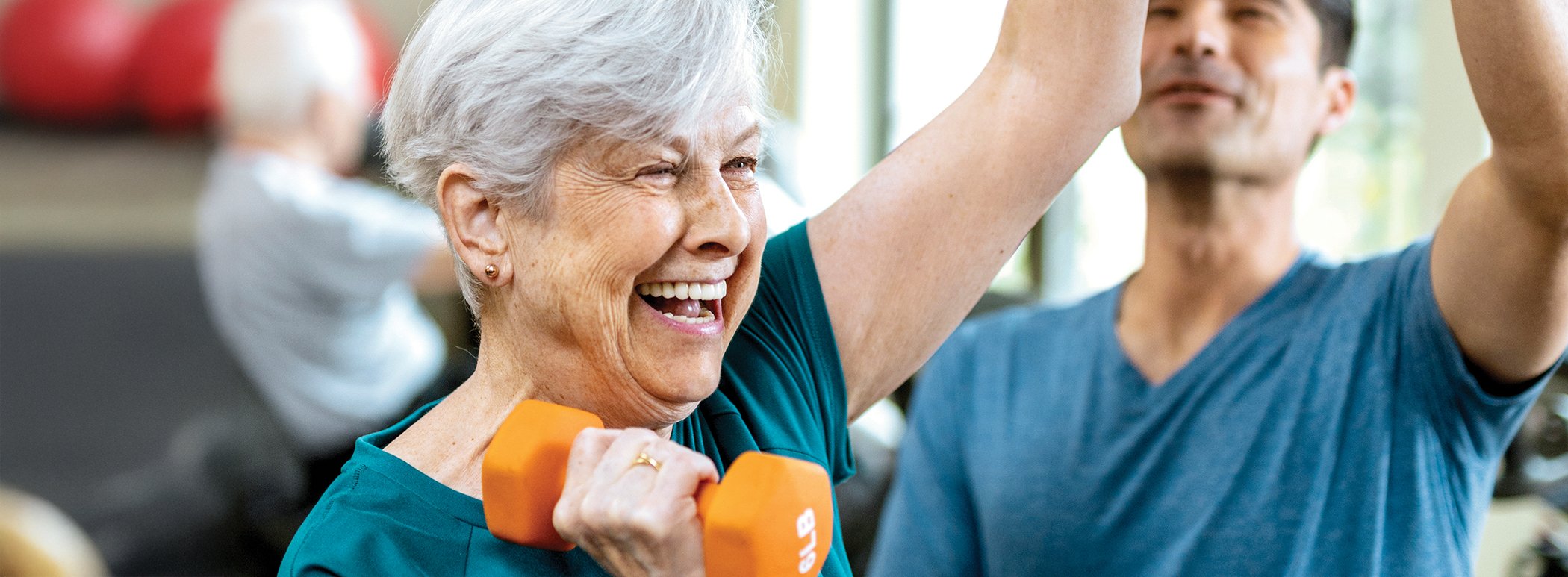
Programming across ECS communities reflects that belief. Classes emphasize functional strength through movements that directly support independence. Residents practice sit-to-stand exercises, balance work, rotational movements, and strength training scaled to their abilities. Options range from seated classes to more advanced standing sessions, allowing residents to progress comfortably.
As strength and balance improve, something deeper shifts.
“They stop seeing themselves as fragile,” Cesar notes. “They walk differently. They participate more. They become more extroverted.”
Over time, movement becomes part of identity. Residents become regulars. They develop routines. They build confidence.
That consistency builds resilience, both physically and emotionally.
Connection and Purpose Sustain Vitality
Strong social ties and a clear sense of purpose consistently rank among the most powerful predictors of long-term health. Blue Zone research shows that belonging matters. So does having a reason to get up each morning.
Jackie Stevens, Senior Director of Creative Living, sees this daily.
“Lifespan is nothing without purpose and meaning and health,” she says.
There is a meaningful difference between staying busy and staying engaged. Busy work fills time. Engagement strengthens identity.
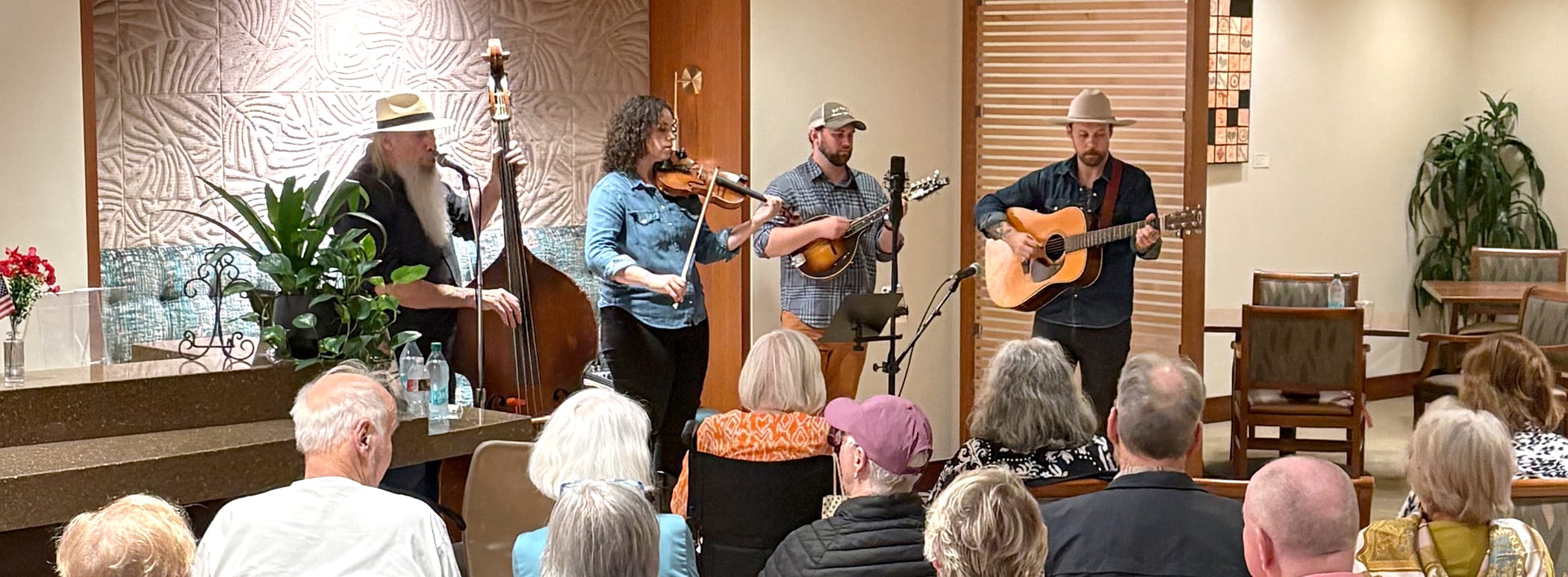
Creative Living programming includes lectures, language classes, music, performances, and resident-led initiatives. A beginning Spanish class that started years ago now hosts dinner gatherings conducted entirely in Spanish. Residents who once described themselves as “retired” step into leadership roles, join committees, or guide presentations.
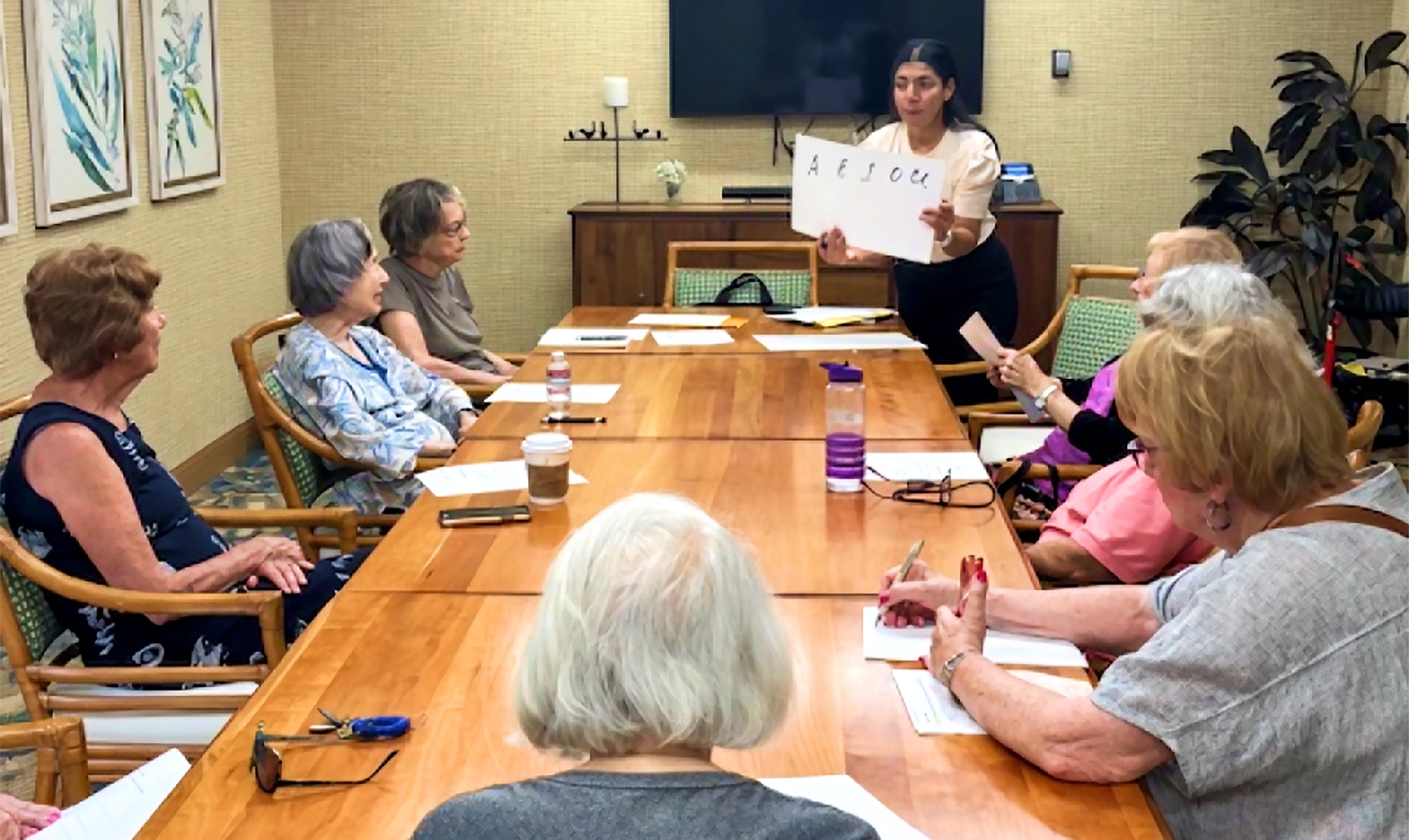
The results are visible. One resident described the community as “the youngest old people” he had ever seen.
That energy stems from belonging. Friendships form within classes and across buildings. Residents walk to events together, share meals, and continue learning.
For some, the transformation is gradual. A resident who is hesitant to attend a class starts by sitting quietly at the back. Over time, they begin to participate. Conversation replaces isolation.
Purpose, inevitably, restores momentum.
Environment Shapes Outcomes
Nutrition. Movement. Connection. These are the puzzle pieces that, when fitted together, tell the full story of longevity.
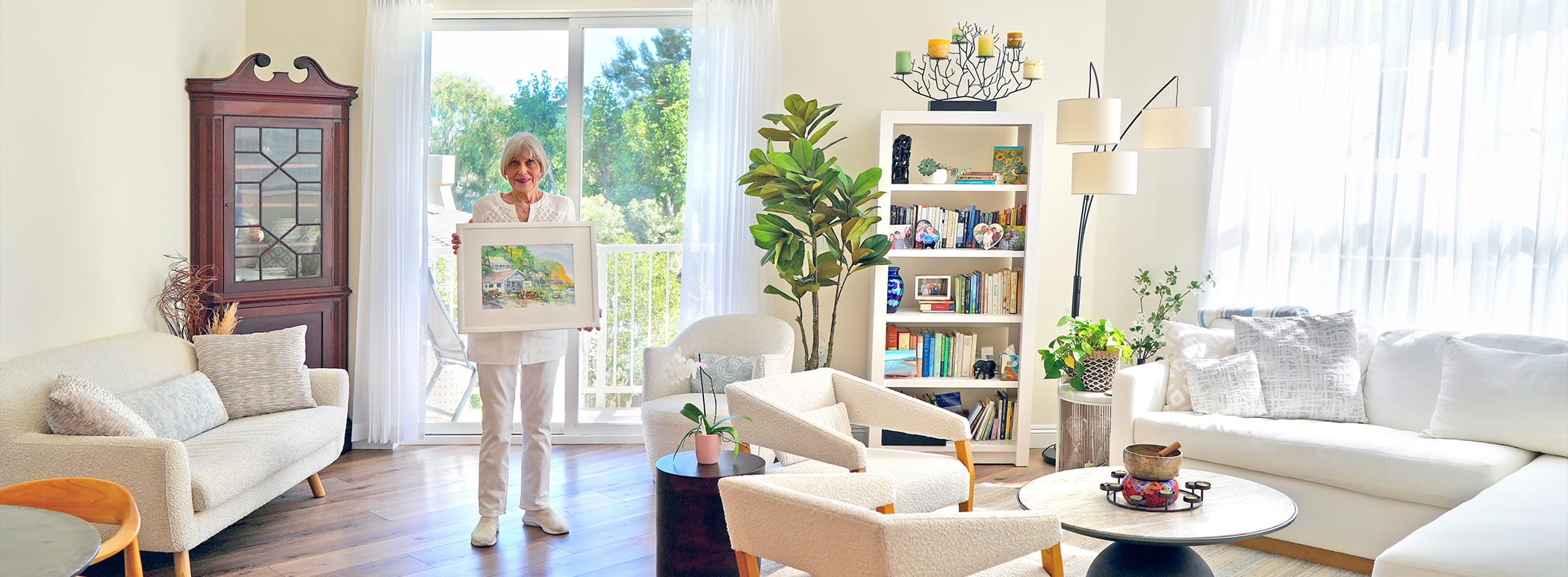
ECS is rewriting that story at the local level. Just like in Blue Zones, our Life Plan communities are places where meals are shared. Movement is baked into daily life. And residents are engaged in activities that fill them with meaning and purpose.
We can’t stop ourselves from growing older. But there is plenty we can do to grow stronger, more curious, and better connected.
Because the most important measure of longevity isn’t the number of years you have left. It’s what you do with them.
About Us
ECS is a leader in Southern California Senior Living and has been at the forefront of creating exceptional communities and services for seniors since 1923. With an enduring, nonprofit legacy of honor, compassion, generosity, and integrity, we put people first. Our independent living communities are proudly nonprofit.
Contact us today to learn more.