April 22, 2026
Become the CEO of Your Own Health
Aligning Your Physical and Mental Well-being
The fastest-growing segment of the U.S. population is people over the age of 80.
We’re living longer than ever before. And yet, the United States spends more on healthcare than any other nation in the world and ranks 78th in healthspan. Not lifespan. It’s an important distinction.
Longevity, in actuality, is a three-legged stool. Lifespan is the measure of how long we live. Healthspan is the quality of those years and our ability to move, participate, and enjoy independence. And then there’s the third factor: brainspan, which is the amount of time we’re able to maintain cognitive sharpness and engage in meaningful activities, relationships, and decisions.
Ultimately, the goal should be lifespan, healthspan, and brainspan working in tandem. But how do we make that happen?
Controlling What We Can
 For a long time, many assumed that aging was mostly a matter of genetics. You inherited your parents’ health, for better or worse, and the rest was a roll of the dice.
New science tells a different story. Research now suggests that up to 85% of our health and well-being is influenced by environment and lifestyle — not genetics. The choices we make every day, the habits we build, and the people we surround ourselves with have a far greater impact on how we age than any gene we carry.
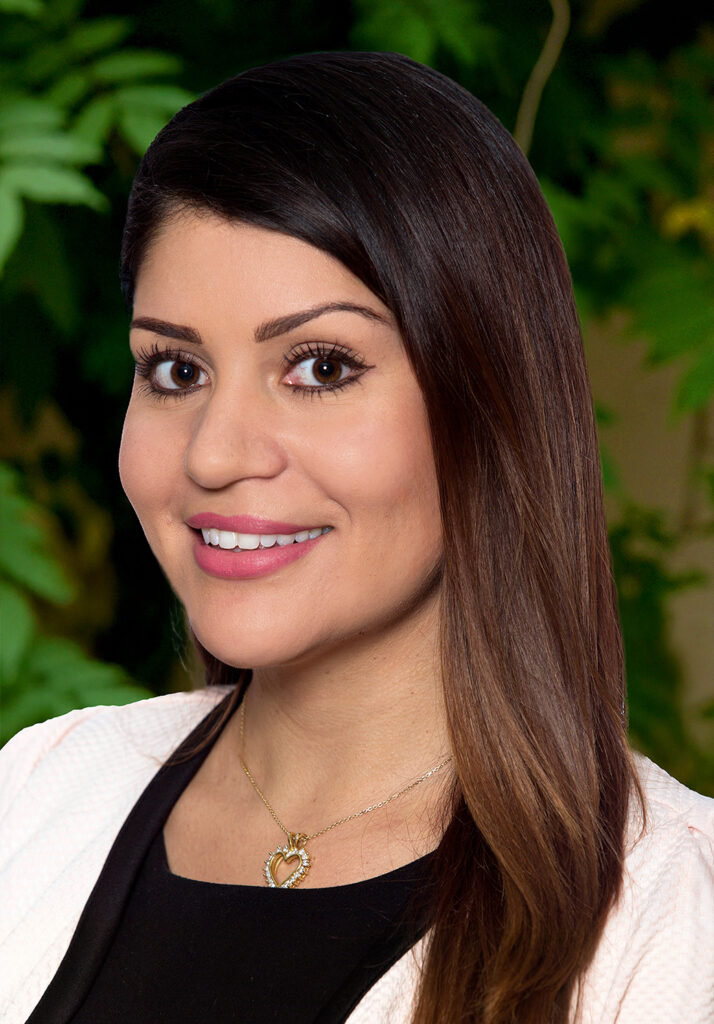
Lizett Leandro, a geriatric nurse practitioner and Vice President of Health Services at ECS, puts it plainly. “When we take an honest look at our environment and ask ourselves, ‘what can I do to improve the things within my control?’ it can be so empowering to see how simple adjustments, if you stick with them, can bring positive results.
That shift in perspective is powerful. Aging isn’t something that simply happens to us. The journey is ours to shape. But knowing we have control is only the first step.
What Actually Moves the Needle
When people hear “brain health,” they often think of puzzles and memory games. Those have their place, but Lizett points to a broader set of influences.
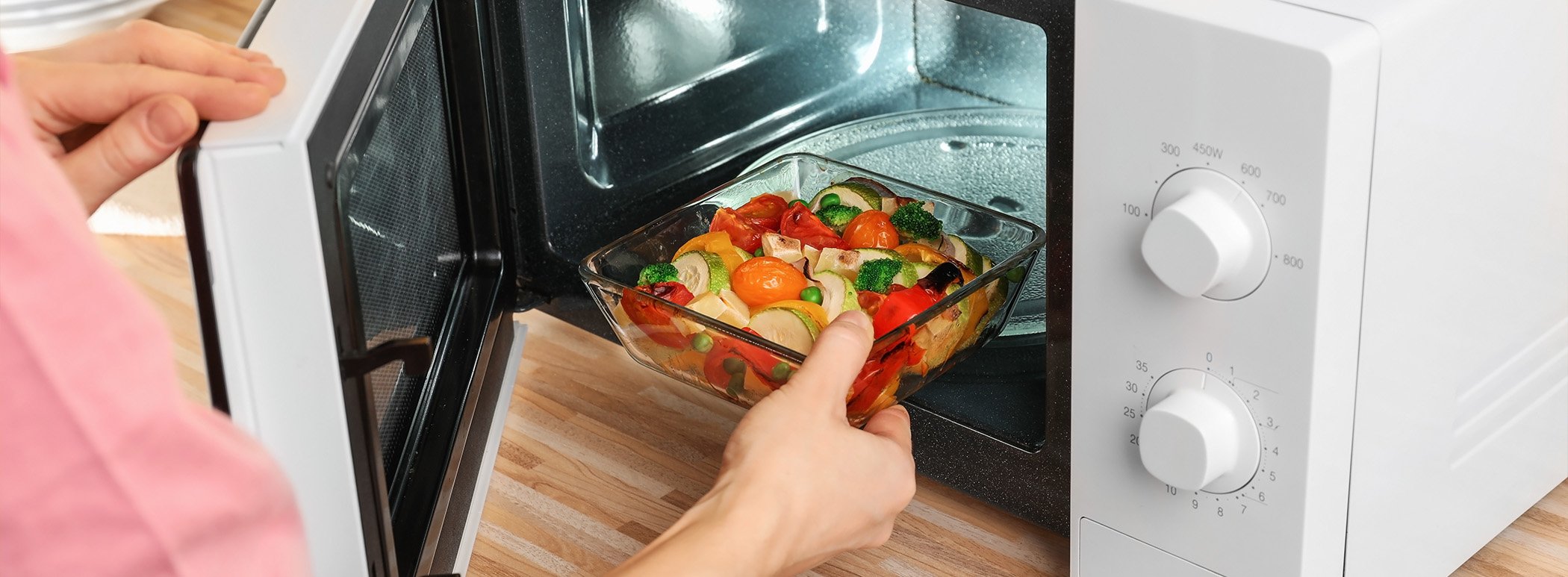
Sleep hygiene, movement and socialization are the keys to sparking the types of neuro connections that create cumulative benefit. Your brain thrives when the whole body is supported with things like nutrient dense meals, consistent sleep, regular movement and genuine human connection.
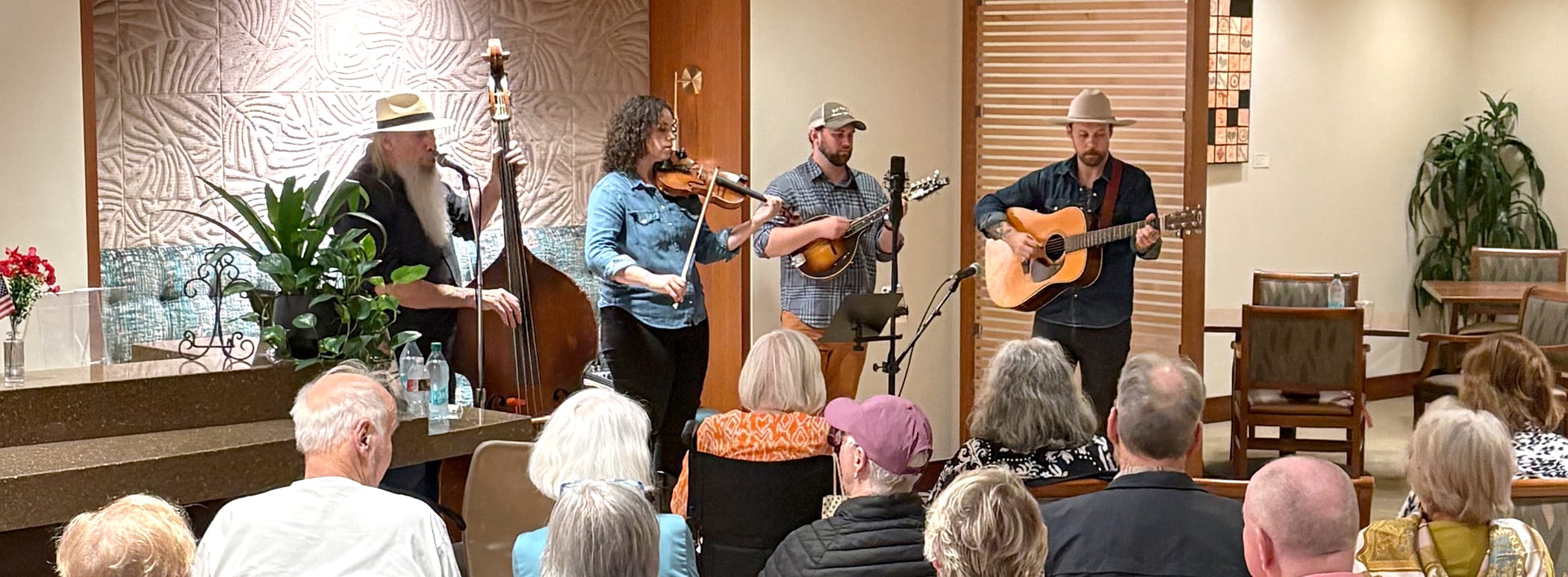
The research now supports this. When you live a life filled with gratitude, purpose, and social connections, your brain reaps the benefits. As Lizett explains, “You can take all the magnesium and creatine you want, but it won’t help if you don’t have purpose, if you’re not moving, and if you don’t have friends.”
In other words, supplements and brain teasers have their place, but real brain health requires engagement.
The Misconception Worth Correcting
One of the most damaging assumptions about aging is that cognitive decline is inevitable — just something that happens with time. Lizett pushes back on that.
“Cognitive decline is really not part of normal aging,” she says. “In many cases, symptoms of decline are valuable signals that something in the environment or the care approach needs to change. If you capture those symptoms early on, you’re able to slow the progression.”
She highlights a critical blind spot: in an 80-year-old, signs of depression such as withdrawal, isolation, and disengagement can be mistaken for dementia. But in a younger person, the same symptoms would prompt a mental health conversation. There’s a shift that needs to happen to ensure that older adults get the right support at the right time.
Environment Shapes Behavior
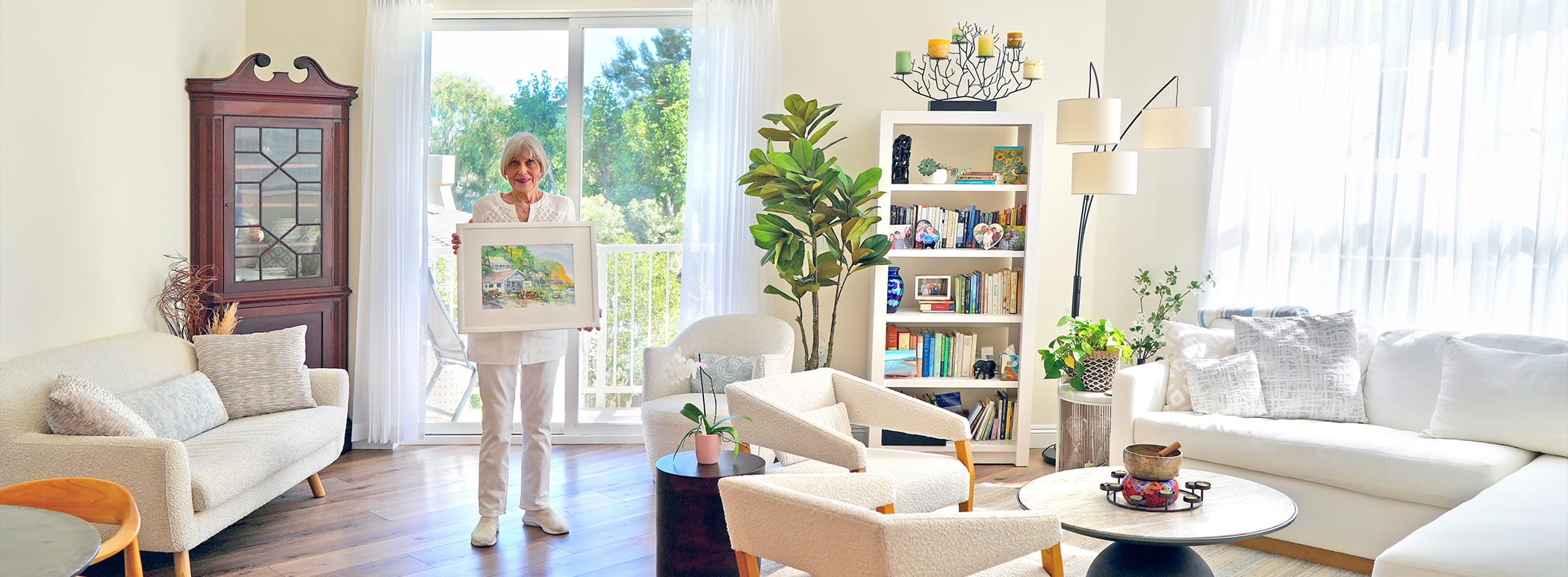
Many of us arrive at a senior living community after years of being sedentary and isolated at home. Something changes, however, when the environment is designed to support healthy habits.
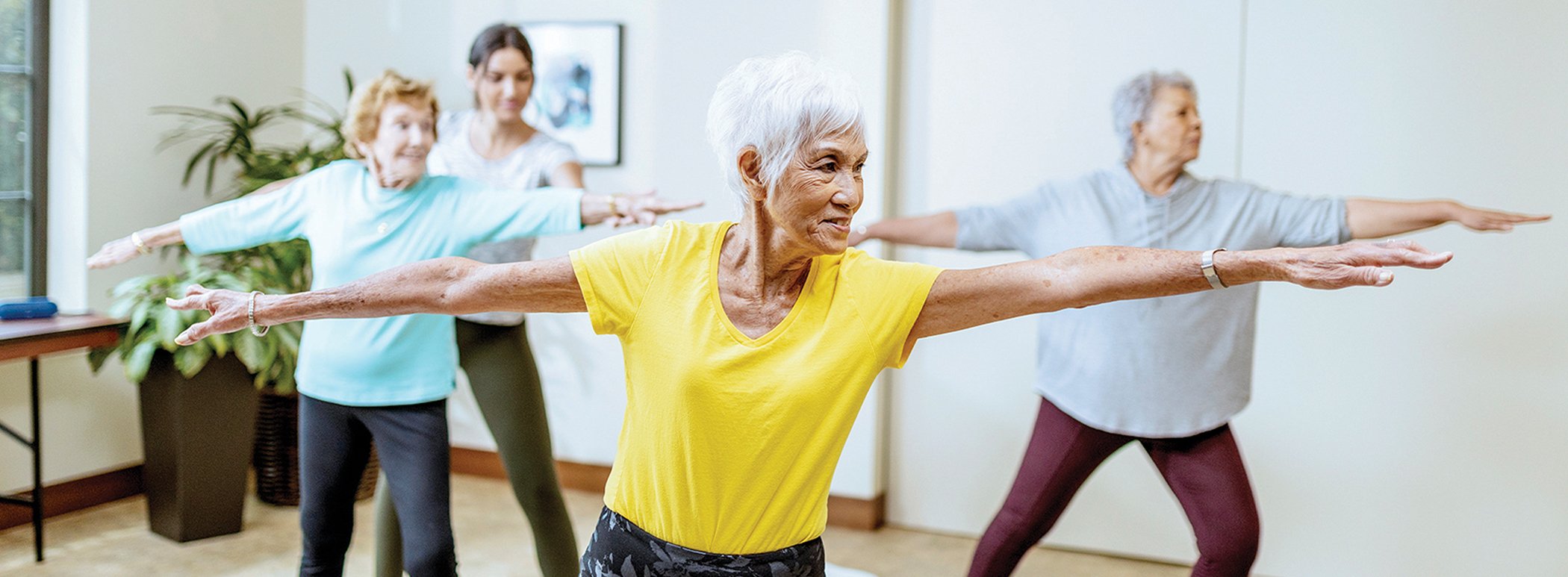
At ECS communities, the environment is intentional. Structured fitness programs offer movement at various times and levels. Creative living programming spans lectures, language classes, art, and resident-led initiatives. Menus are designed around nutrient-dense, seasonal meals. And because no two residents are the same, individualized care plans ensure each person is supported based on their needs, abilities, and interests.
Rather than intermittent, plans are consistent, accessible, and flexible enough to meet residents wherever they are.
“Person-centered care is really important when it comes to aging,” Lizett says. “As a nurse, I see aging well as a result of proactive care — supporting mobility, cognition, and engagement long before decline becomes the focus.”
Taking Ownership
So what does it truly mean to be the CEO of your own health?
“Take ownership of your daily choices,” Lizett says. “Understand that the decisions you make will impact your long-term function, your well-being, and even your short-term function.”
You can’t control every diagnosis. Most of us, for example, will get the flu no matter how much vitamin C we take. But you can control how you sleep, how you move, what you eat, and who you spend your time with. You can choose an environment that supports the habits that lead to longer, healthier, more meaningful years.
“Aging well isn’t by chance,” Lizett reflects. “It’s designed through our daily habits, our environment, and the systems of care around us.”
You have ownership over eighty-five percent of your health. Your brain, your body, your independence — they aren’t at the mercy of your genes. They’re shaped by what you do, where you live, and the people around you.
The years ahead hold time, yes, but also the possibility of strength, curiosity, connection, and purpose. So, rather than focusing on how long you’ll live, concentrate on what those years will look like.
You’re the CEO of your own life. What will you do to take charge?