May 20, 2026
Training for Longevity: Functional Strength for Fuller Years
Ask most people, and they’ll tell you they want to live longer. But just as important as the number of years we have is what those years look and feel like.
Can you get up from a chair with confidence? Walk across uneven ground? Carry groceries? Join a fitness class, take a hike, travel, garden, golf, dance, or spend the day doing what you love without worrying whether your body can keep up?
That is the promise of longevity training: it’s about building the strength, balance, mobility, and the confidence to keep living fully.
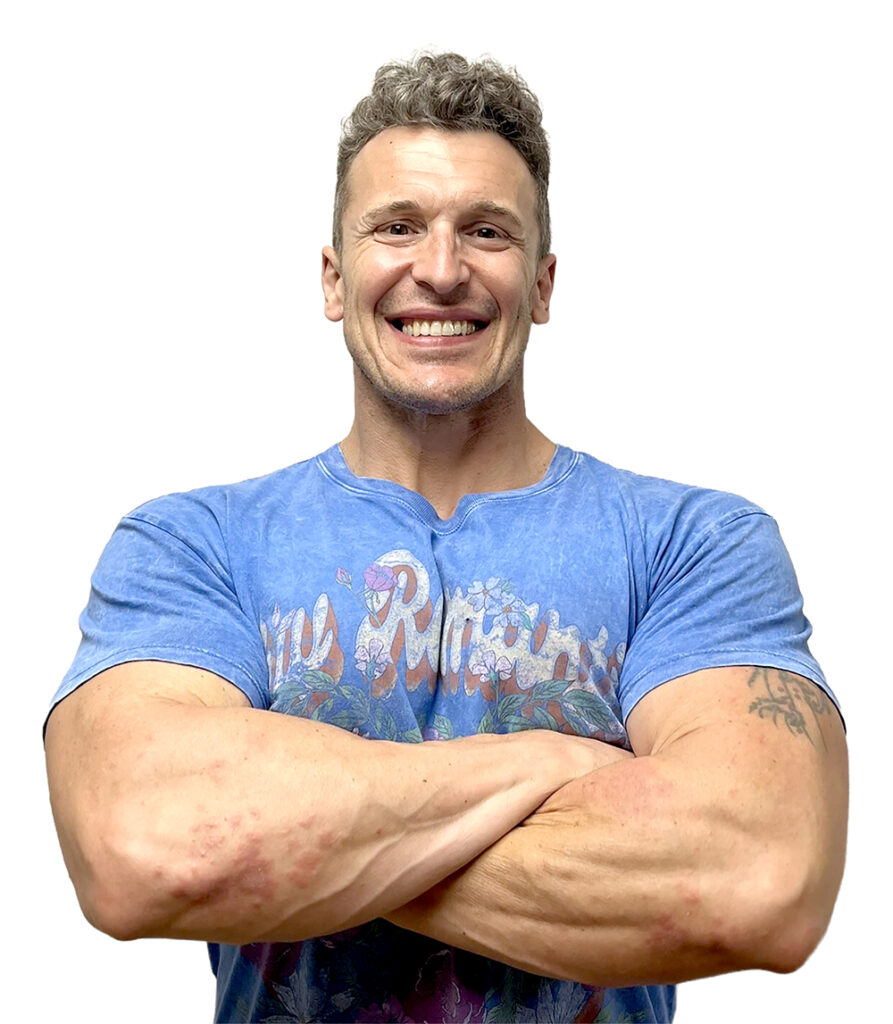 For Federico Barone, Fitness Coordinator at The Covington, the biggest misconception about aging well is that gentle movement, the kind you get just by going about your day, is enough.
As we age, it becomes harder to stay healthy by sticking to the same routines. The body needs the right kind of challenge to keep building strength. “Strength doesn’t maintain itself on its own,” Federico says. “Your capability is either growing due to regular effort or declining due to lack of activity.”
That idea sits at the heart of training for longevity. When we challenge the body safely and consistently, it responds by becoming stronger, steadier, and more flexible. When we don’t, we gradually lose strength, which means decreased functionality, mobility, and balance.
The ECS Approach: Training with Purpose
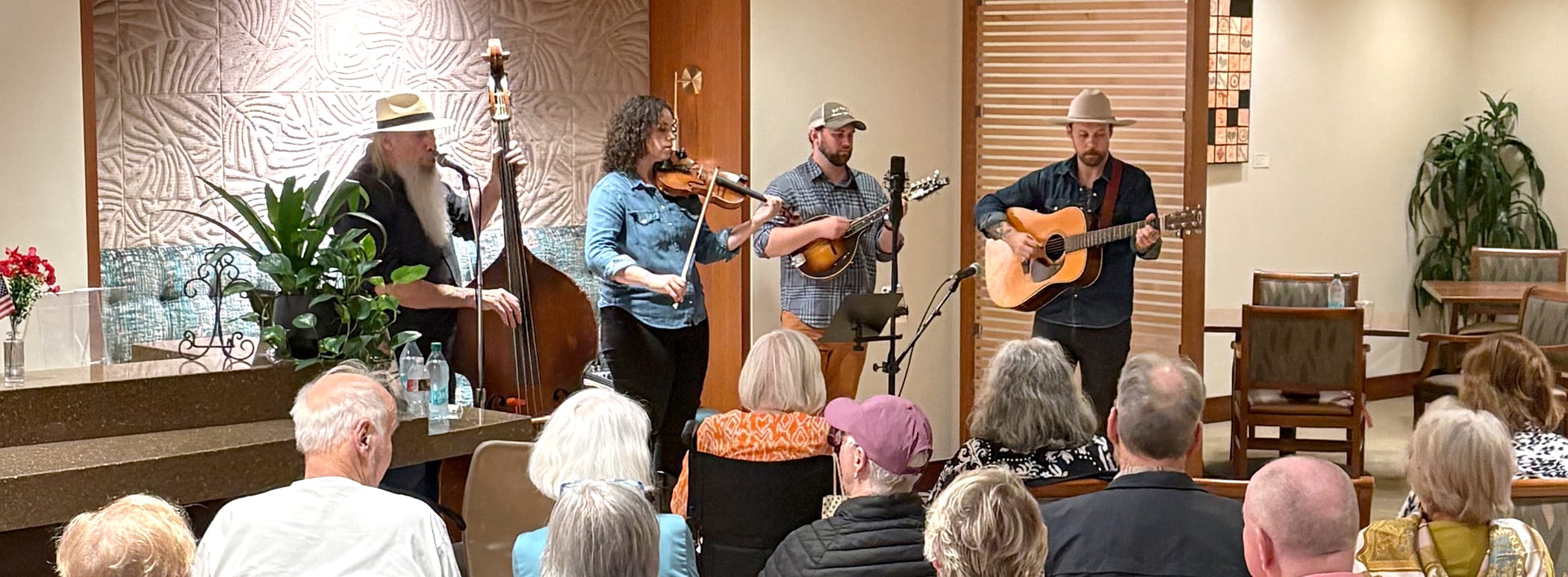
Longevity training is part of life across ECS communities. Through fitness classes, weight training, individualized guidance, educational opportunities, organized events, and active programming, residents have access to support that helps them build and maintain capacity.
The approach is practical and personal. For some residents, that may mean modifying an exercise because of arthritis, cartilage loss, joint replacement, or chronic pain. For others, it may mean encouraging them to lift a little more than they thought they could.
Community also plays a role. Fitness classes can create social connection, familiarity, and encouragement. As Federico says, “It really builds community. You see neighbors excited to participate in a variety of activities because it’s more fun when we’re together.”
With the right class, the right modification, and the right encouragement, we help each other start where we are and keep building from there.
What It Actually Means to Live “Better”
ECS often talks about helping residents live longer and better. For Federico, “better” comes down to choice.
Across communities, residents have access to services like dining, transportation, wellness support, and housekeeping. “There are two main reasons residents request housekeeping,” Federico says. “Either they want free time to do something else, or they cannot physically clean the home themselves.”
That’s the true power of longevity training: enabling you to take advantage of services because you want them, not because you need them.
Longevity Training’s Impact on the Body
Longevity training works best when multiple areas of the body are targeted together.
Strength. Federico suggests that every adult over the age of 40 strength train three times a week for 30 to 45 minutes; not to compete as a bodybuilder, but to become stronger in ways that support daily life.
“If you can lift 50 pounds today, tomorrow you should try to lift 51,” Federico says.
Bone Health. Strength training also plays a major role in bone preservation.
“It’s the only thing that can actually build bone cells,” Federico says. “When you signal to your body that you need strength to lift weight, the body will create the conditions for it.”
Posture. Training for longevity also includes the fundamentals that make movement safer and more efficient, like posture and breathing.
“Bad posture impacts every type of movement that you do throughout the day,” Federico says.
For older adults, that can mean increased fall risk, slowed reaction time, and more strain placed on the lower back and neck. Simple posture work helps residents become more aware of how their bodies feel in space.
Breath. This goes hand in hand with posture. While training, breathing helps brace the body, protect the spine, and stabilize movement. Federico compares it to creating a weightlifting belt made of air. Better breathing supports oxygenation, circulation, fatigue management, and endurance.
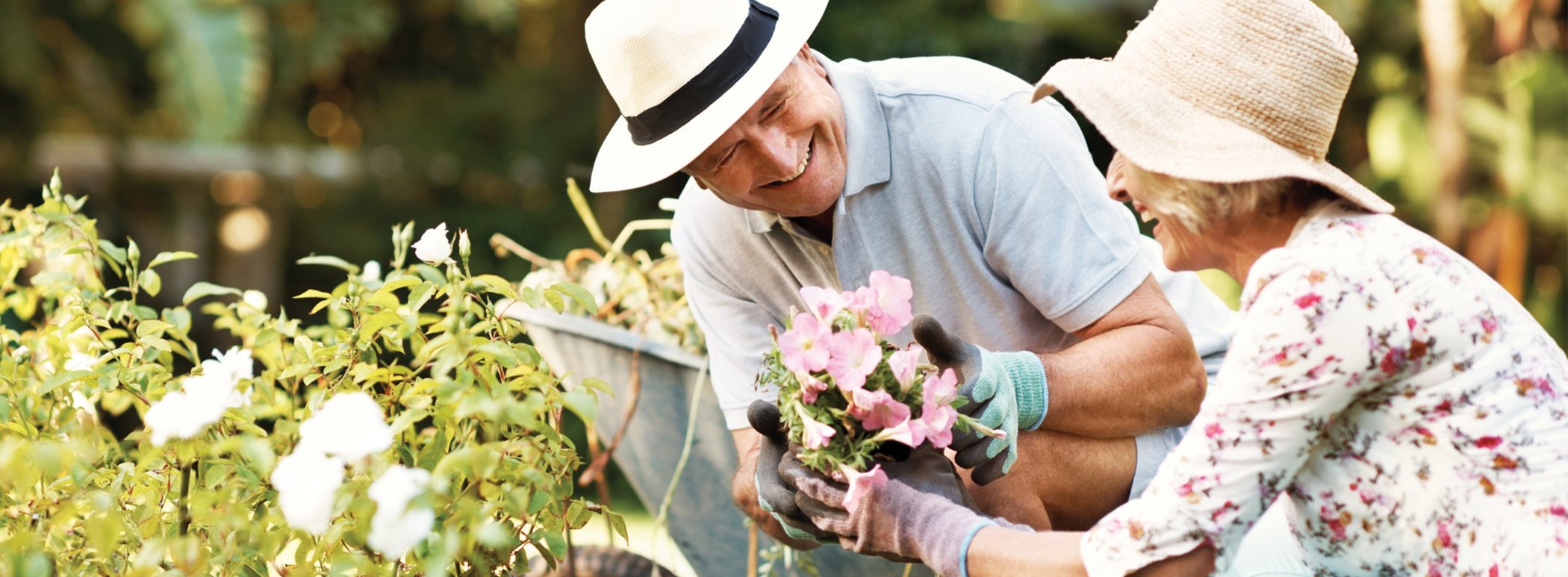
Mobility. The tricky aspect of mobility is that its decline often goes unnoticed. A resident may stick to the same familiar routine for years. Then, one small change makes a favorite activity harder.
“Maybe gardening is that regular activity,” Federico says. “Then, all of a sudden, the planter is a bit lower than normal, and you have trouble reaching it.”
Balance. “The reason why people fall most of the time,” Federico says, “is because there’s maybe a little dip that they don’t expect, or they hit a rock or something.”
Strength and balance training improve the body’s ability to recover before a fall occurs.
Aerobic Fitness. Walking, swimming, cycling, water fitness, and everyday movement all support healthy aging. But Federico’s perspective is clear: purposeful, everyday movement is not a replacement for structured training. Rather, strength training can help make those activities possible and more enjoyable.
Build for the Life You Want to Live
Federico has seen formal fitness programming create a ripple effect. The more we participate in fitness classes or one-on-one training, the more likely we are to stay active in other ways. Naturally, the better you feel, the more you find yourself using the gym more often, joining hikes, and participating in varied activities.
“I notice my programs give residents the confidence to do things they might have thought they could no longer do. Greater physicality becomes routine,” he says. That is the deeper purpose of longevity training, and the reward. The work residents do in class supports the life they want outside of the studio.
Living longer might be the goal. Living better is the result.