• November 12 11:00AM - 12:00PM Schumacher Hall – Via Zoom

    Armchair Astronomer — Cosmic Verses: Pyramids to Stonehenge

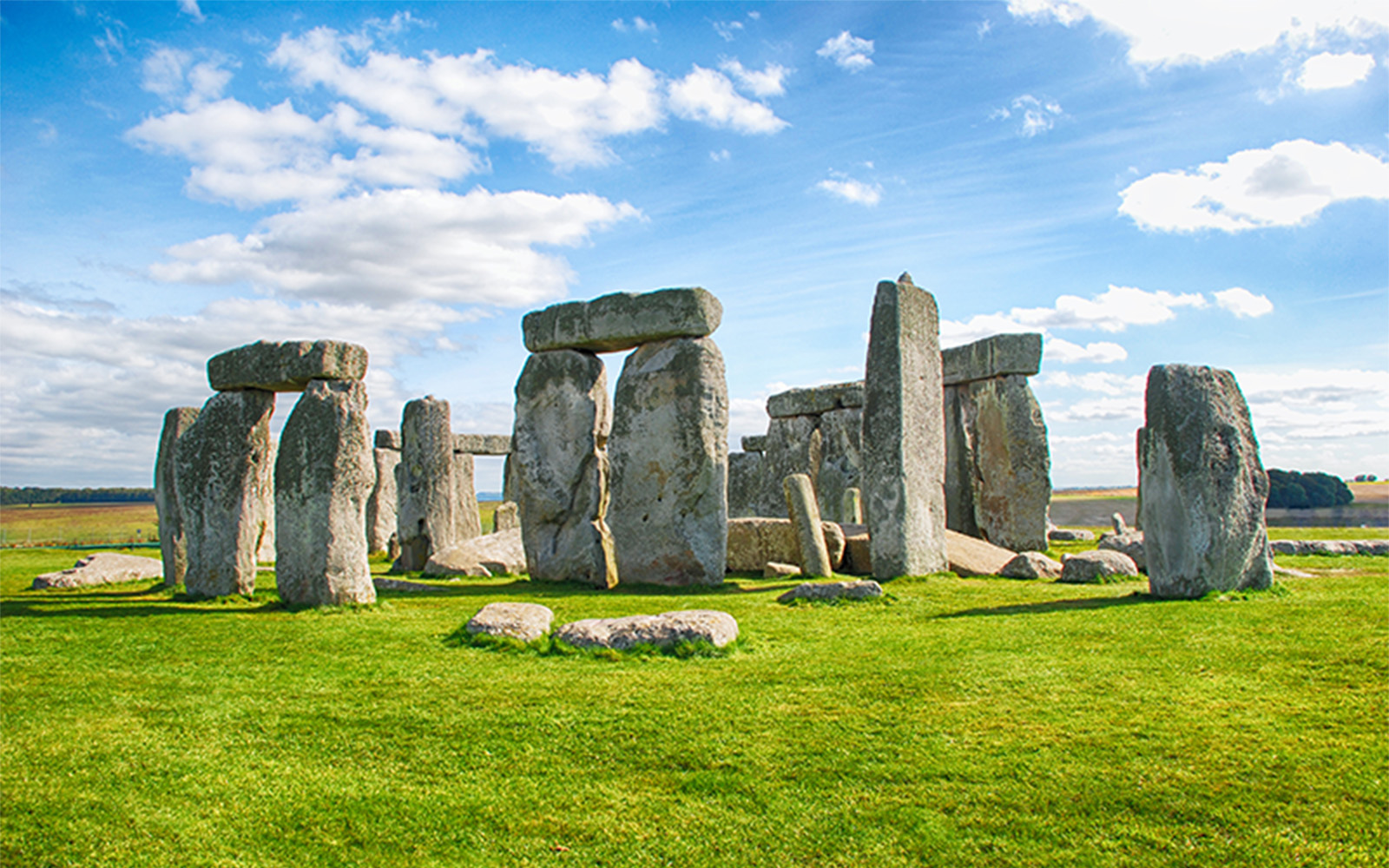
    Ken Vanlew joins us via Zoom to share his insights into The Cosmic Verses: A Rhyming History of the Universe (2006). British astronomer and author James Muirden uses witty, rhythmic poetry to detail human developments in understanding astronomy. Beginning with the pyramids and continuing to Stonehenge, he describes how Hipparchus discovered precession, and Eratosthenes measured the Earth, but Aristotle set science back 2,000 years. Copernicus saw the Sun, not Earth, as the center, but Galileo was sentenced to house arrest because he dared to say that the Earth moved. A lot to discuss about our planet and our universe.
  • October 8 11:00AM - 12:00PM Schumacher Hall – Via Zoom

    Armchair Astronomer — Star Clusters: Gregarious Stars

    Ken Vanlew joins us via Zoom to share his insights into fascinating star clusters.
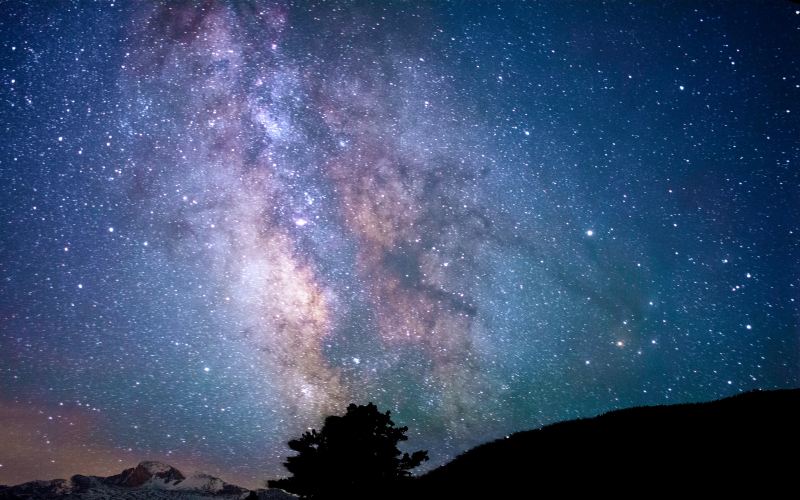
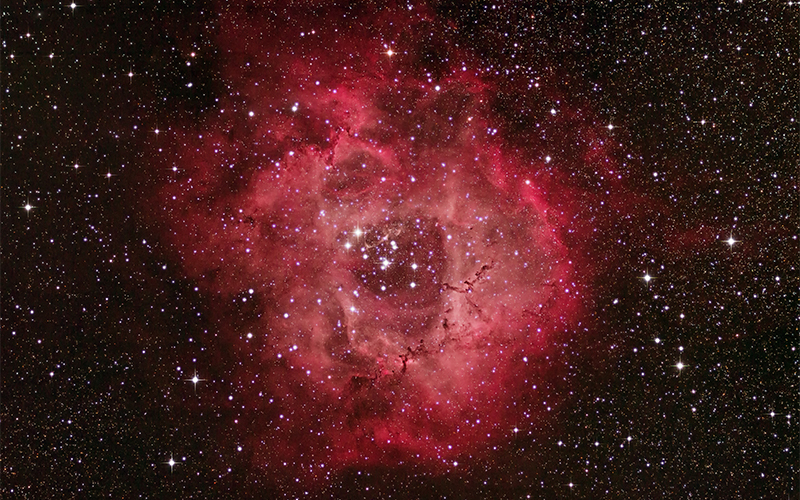
    Although there are a few free-floating stars that don’t belong to a galaxy, most stars orbit a galaxy center. Globular clusters are composed of older yellow stars that orbit above and below the halo of the Milky Way. Galactic clusters are younger stars that group together and orbit only in the plane of the Milky Way disk. So many stars, so little time.

  • September 10 11:00AM - 12:00PM Schumacher Hall – Via Zoom

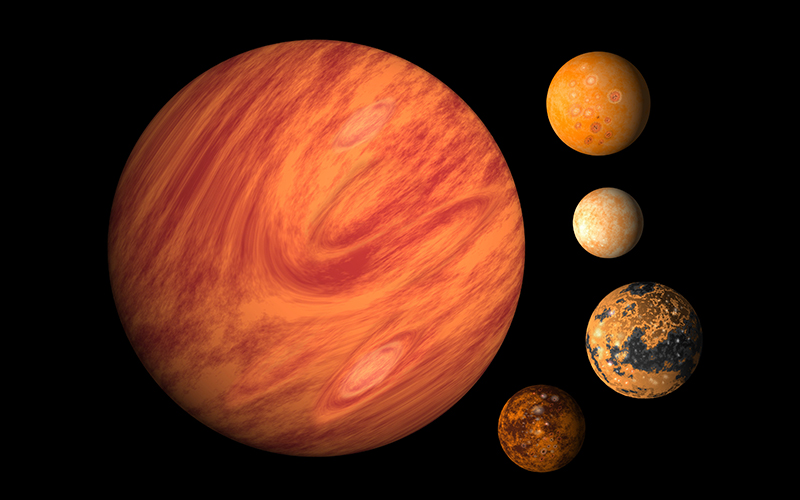
    Armchair Astronomer — Jupiter: Big Bully in the Hood

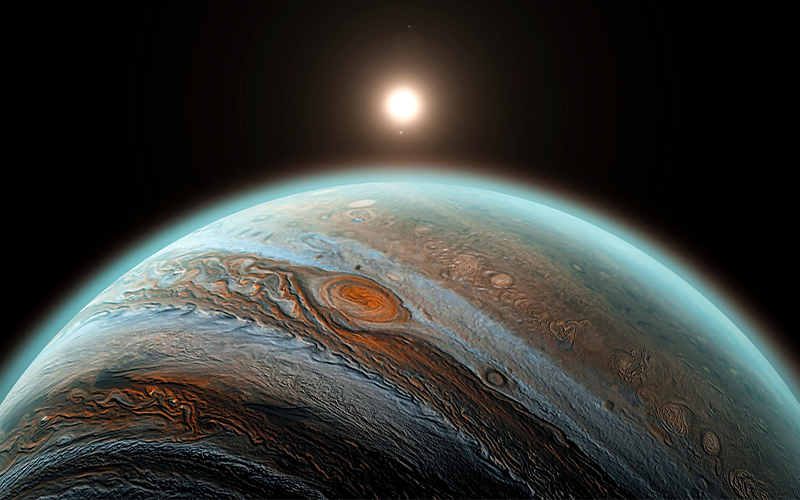
    Ken Vanlew, retired astronomy and physics teacher, joins us via Zoom to discuss Jupiter. This massive planet could contain more than 1,300 Earths, has a stormy atmosphere, and a vast collection of moons. Sure to be a fascinating discussion.

  • August 13 11:00AM - 12:00PM Schumacher Hall – Via Zoom

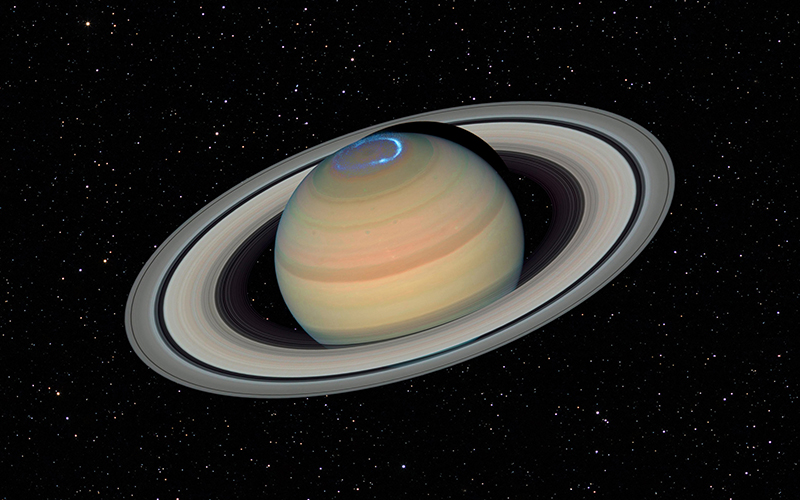
    Armchair Astronomer — Cassini at Saturn’s Rings

    Ken Vanlew, retired astronomy and physics teacher, joins us via Zoom to discuss NASA’s Cassini spacecraft. It orbited Saturn from 2004 to 2017, executing 294 revolutions. Its journey revolutionized our understanding of the planet’s rings, revealing them as dynamic, active structures fed by the moon Enceladus.

  • July 9 11:00AM - 12:00PM Schumacher Hall – Via Zoom

    Armchair Astronomer — Galilean Moons: Volcano to Icebox

    Ken Vanlew, retired astronomy & physics teacher, joins us via Zoom to discuss the four largest moons of Jupiter, discovered by Galileo in 1609. Originally called Medicean Stars, they range from volcanic, spewing geysers to cold Callisto with ice hundreds of miles thick. The moons orbit Jupiter in times that range from fewer than 2 days to more than 16 days and influence each other with tidal pulls.

  • June 11 11:00AM - 12:00PM Schumacher Hall – Via Zoom

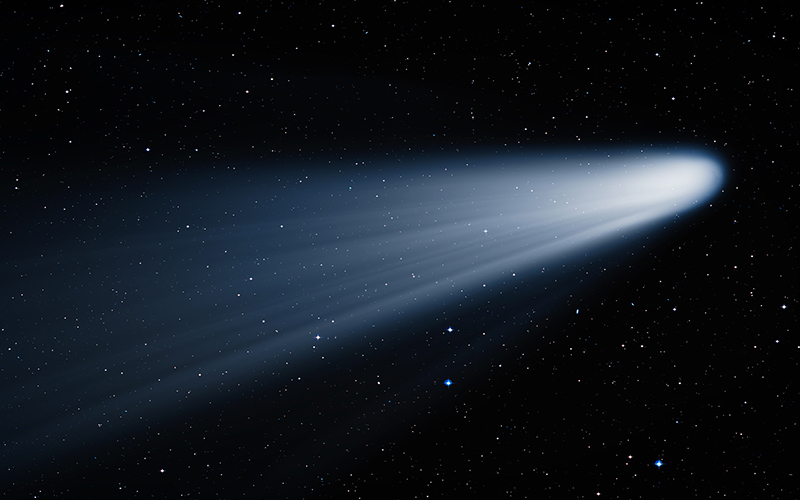
    Armchair Astronomer — Comets: Interstellar Vagabonds

    Ken Vanlew, retired astronomy & physics teacher, joins us via Zoom to share his insights. As of 2026, only 3 interstellar comets have been discovered. These bodies from outer space pass by the Sun and planets on a one-time trip never to return. They race through the solar system on hyperbolic orbits too fast to be captured by the Sun’s gravity. Join us to learn more about these interstellar vagabonds with Ken.

    June 9 2:00PM - 3:00PM Schumacher Hall – Via Zoom

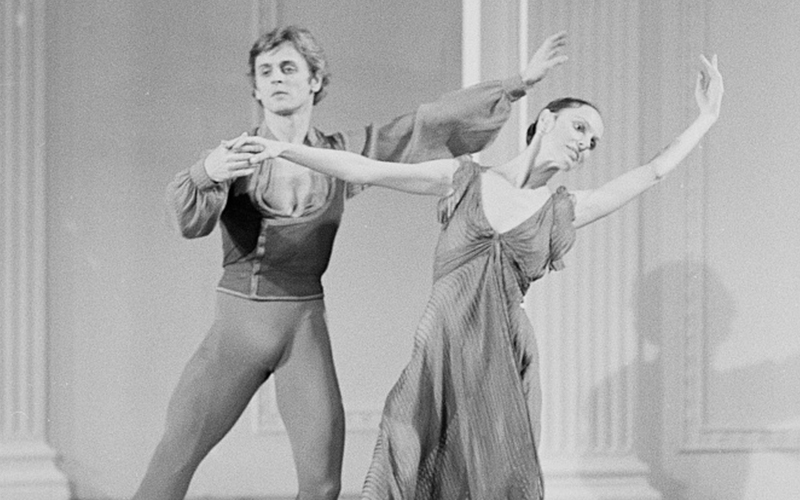
    The Genius of Michail Baryshnikov

    Join Elizabeth Kaye, award-winning author, editor and dance historian. Via Zoom, she explores the life and talent of Mikhail Baryshnikov. He is hailed as the greatest male dancer of all time. His brilliance dazzled audiences and in this talk, we will see him in many of his most stellar roles.

  • May 12 11:00AM - 12:00PM Schumacher Hall – Via Zoom

    Accidental Astronomy

    Great things sometimes happen by accident, and that is true of many things in life, including astronomy. There are numerous incidents in astronomy where something unexpected is suddenly revealed far beyond the original scope of the research. Some of the most important and spectacular discoveries in astronomy were not the result of carefully planned experiments, but came from unintended results. Join us for armchair astronomy and learn about some of science’s great findings.